Inclusive prehab (I-Prehab) to address inequity in cancer outcomes
Prehabilitation (prehab) prepares people for cancer treatment and helps them during treatment to eat well and to be physically active and emotionally resilient.
Background
Prehab can lead to fewer treatment complications and better cancer outcomes, including longer life. It can also produce service cost savings. If prehab services are to be inclusive for all, changes are required to improve access and to support participation.
Aim
We will work with patients, carers, cancer workers, and cancer service managers to make (coproduce) and evaluate I-Prehab. I-Prehab will be a toolkit to support cancer workers to raise awareness of and encourage participation in prehab services for cancer patients. It will be designed to overcome access barriers and provide tools to support adherence, particularly for those from socially deprived and ethnic minority communities. We will study patients receiving treatment for upper gastrointestinal, bowel, lung, or breast cancer.
Design and methods
The research will be in 4 stages, planned and delivered in partnership with representatives of socially deprived and ethnic minority communities:
Stage 1: Systematic review (Completed)
We completed a search of the relevant published literature to understand barriers and facilitators of access, acceptance and adherence to cancer prehabilitation (prehab). Our findings have been published in the Journal of Cancer Survivorship and presented at the Multinational Association of Supportive Care in Cancer in Lille, France. The review concluded that there is limited empirical research of barriers and facilitators to inform improvement in equity of access to cancer prehabilitation.
Stage 2: Investigating prehab services across Wales – Case study research (Completed)
The purpose of stage 2 was to investigate current prehabilitation practices in all NHS organisations treating cancer patients in Wales. The I-Prehab research team recruited patients and health professionals from seven NHS cancer services providing prehab across Wales. Patients receiving prehab prior to treatment for upper gastrointestinal, bowel, lung or prostate cancer participated in the research.
Our researchers observed and gathered data from 120 patient appointments for cancer prehab from six NHS services across Wales and recorded 36 in-depth research interviews with patients. We spoke with patients from different backgrounds, including those from socially deprived and ethnic minority communities. A group discussion with cancer care workers was also carried out at seven NHS sites. Finally, we looked at anonymised data from patient records to understand what they received in prehab sessions.
A large amount of data has been collected and analysed. Findings demonstrate a lot of variability across Wales in what and how cancer prehab is offered, and to whom. The case study data has helped us to understand what helps cancer patients from different backgrounds to participate in and benefit from prehab, as well as barriers that hinder or prevent this.
Stage 3: I-Prehab co-production (In progress)
The purpose of stage 3 was to coproduce the I-Prehab education package. Co-production means working together with people who use health and care services, carers and communities. We discussed the ideas from stage 2 with people with experience of cancer, including various community groups, healthcare professionals and third-sector professionals. The research team used this learning to create the I-Prehab educational package. This educational package will help cancer workers to raise awareness and encourage participation in cancer prehabilitation. It is designed to reduce barriers and provide support, especially for people from poorer areas and ethnic minority groups.
Between November and December 2024, seven workshops, and four interviews took place with community groups across North and South Wales. We talked to over 70 people from different backgrounds, including members of cancer support and community groups. We discussed what we learnt from our case study research with participants and learned how cancer care workers can help people understand the importance of prehabilitation and make it relevant to their lives. From these discussions, we identified priorities to improve access and engagement with prehab and developed six educational modules to support inclusive prehab.
We then conducted five workshops with over 30 people to refine these education modules. Participants included cancer care workers, people affected by cancer and third sector professionals. These refinement workshops have informed modification of the I-Prehab content so that it is suitable for cancer care workers finding ways to support inclusive prehabilitation.
We are very excited to now be in the process of finalising the I-Prehab online training for cancer care workers. We have worked closely with our digital designers on a series of animations that have been incorporated into the training. These include people from various backgrounds talking about their experiences of factors affecting access to and engagement with cancer prehabilitation. We also have animations that summarise the main learning points at the end of each module. It is very exciting to see all the learning from earlier stages of the research being incorporated into these resources which will be ready by June 2025.
Stage 4: Feasibility testing of I-Prehab Training (In progress)
The final stage of the project involves testing whether it is possible to deliver I-Prehab. It will be launched in three services in Wales and one in England. We aim to recruit a total of 120 cancer care workers to undertake I-Prehab training. We will check whether they will complete I-Prehab and will use questionnaires to learn about whether they find it useful. We will observe the practice of 24 cancer workers and carry out short interviews with them and their patients to learn about their experiences of I-Prehab. We look forward to seeing how this training can make prehabilitation much more inclusive for everyone with cancer. As of May 2024, we have received ethical approval and are in the process of setting up this stage of the research. Data collection will be completed by the end of 2025.
We are very grateful for the help and support of the healthcare professionals involved in the I-Prehab Project. We also thank patients, their family members and carers who contributed to our research to help future cancer patients.
Dissemination
We will work with our partner organisations to distribute I-Prehab across Wales and the rest of the UK. We will share the research findings with healthcare professionals, hospital managers and people affected by cancer through NHS training, charities, the press, social media, conferences, public meetings, and in scientific and professional journals.
Funding
This project is funded by the National Institute of Health Research (NIHR)
Prehabilitation Experiences
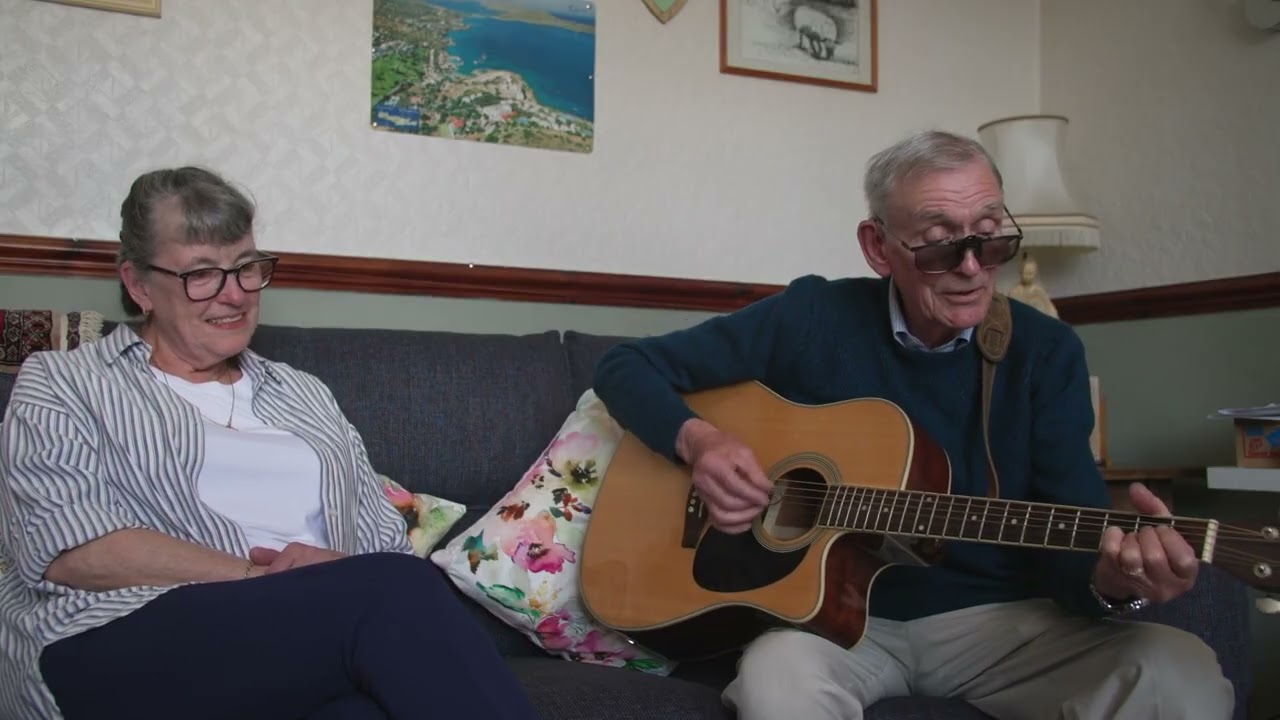
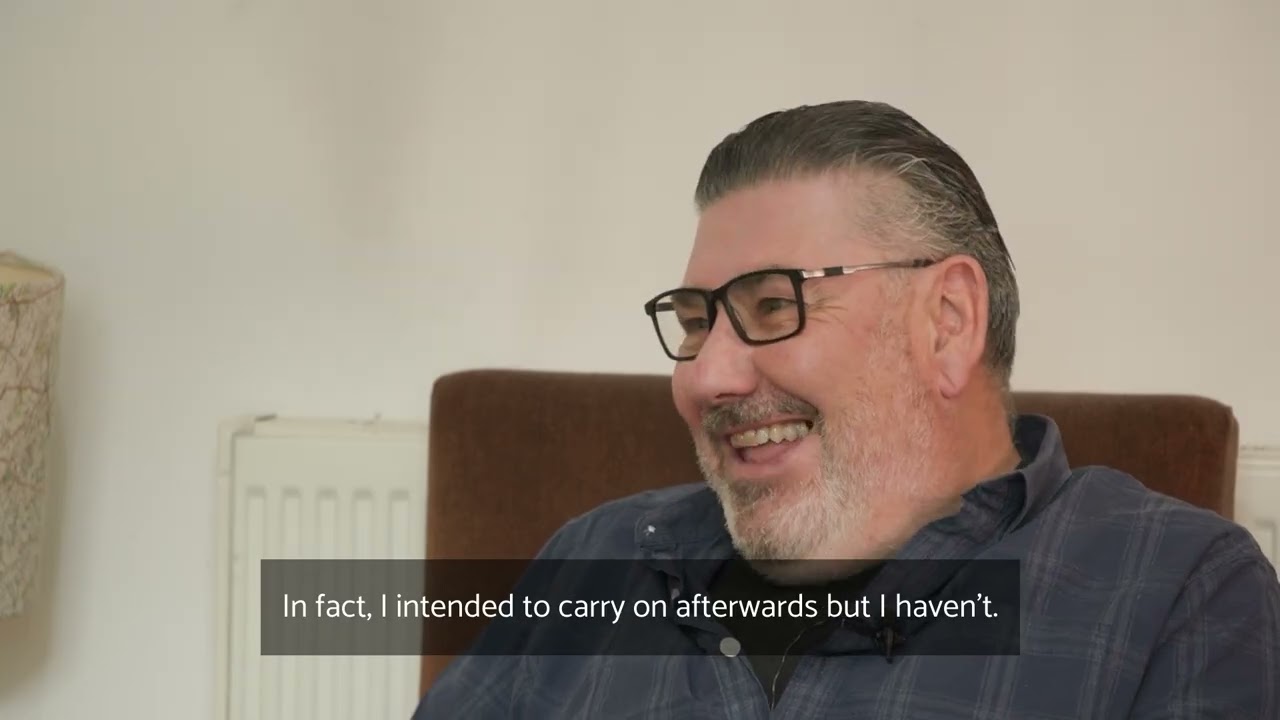
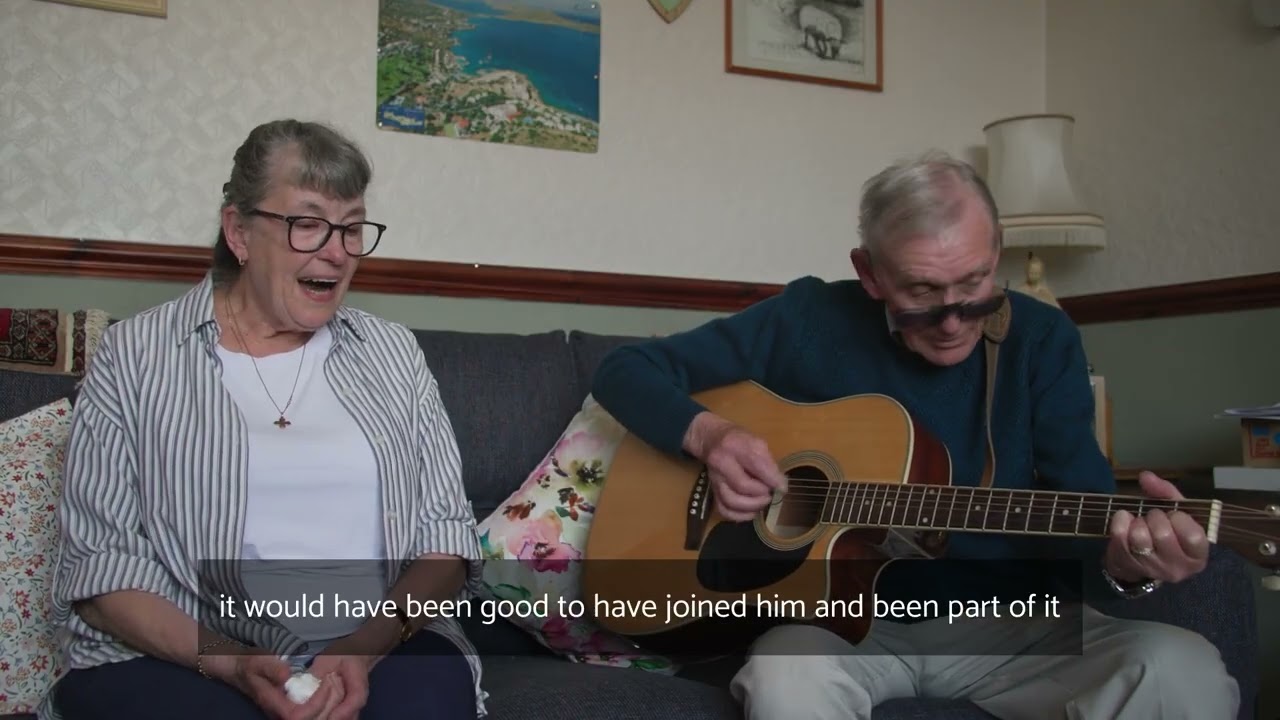
Three videos have been produced, as part of our I-Prehab education package, sharing real life experiences of people affected by cancer attending prehabilitation.
We are very grateful to Dave, Kath and Phil, for telling their stories.
David's story
Phil's story
Kathy's story
Podcasts
Stuart Davies
We catch up with Stuart Davies, speaking to us from his boat in Portugal. Stuart became involved with healthcare research after having prostate cancer several years ago. Stuart wanted to make a positive difference and help people. Listen to the podcast.
Bami
Bami is an author, a non-executive director and a patient advocate, with an interest in equity. She also works as a visiting lecturer at Cardiff University. She has personal experience of breast cancer and a family history of the disease. Listen to the podcast.
Rashmi Kumar
In this podcast, we talk to Rashmi Kumar, who comes from an Asian background and is a full‑time carer for his elderly mother. Rashmi’s experience has helped him understand key health issues and the challenges faced by patients. Listen to the podcast.