
Protecting Borneo’s wildlife for the future
We are transforming how endangered species are protected across one of the world’s most biodiverse landscapes.
We are working with partners in Sabah, Borneo, to protect endangered species and restore threatened habitats, combining technology with long-term ecological science to build a future where wildlife and people can thrive side by side.
The Bornean rainforest is one of the oldest and most biodiverse tropical rainforests in the world, being a refuge for many endangered species that are under threat from habitat loss and poaching.
For almost twenty years, Cardiff University’s Danau Girang Field Centre has been at the heart of conservation efforts in Sabah, Borneo.
Working closely with the Sabah Wildlife Department and global partners, the team has transformed understanding of how endangered species use fragmented forests and turned that knowledge into real, state-backed conservation action.
Our mission is ambitious but simple: to build a future where wildlife, local communities and the landscape can thrive together.
Safeguarding Sabah’s wildlife
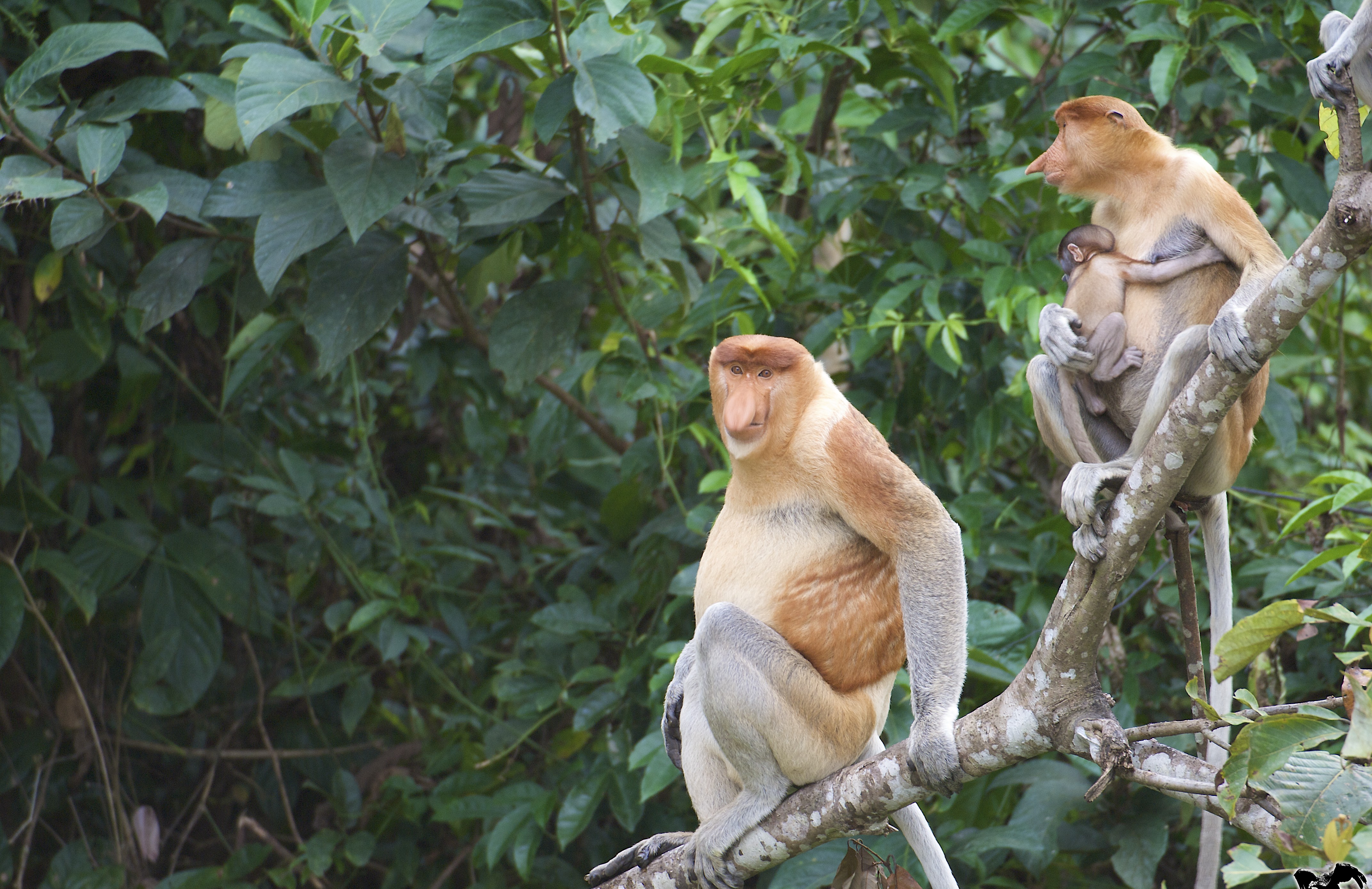
Our long-term partnership in Sabah is transforming conservation for elephants, clouded leopards, proboscis monkeys, banteng and a wider community of species.
Through AI innovation, biodiversity monitoring, carnivore ecology and pangolin research, we are restoring ecosystems and shaping policies that protect wildlife and people.
This is Future Generation Thinking.
-

AI is transforming elephant protection
PoachNet combines deep learning and movement data to predict elephant poaching risks with high accuracy, helping rangers intervene sooner and keep endangered herds safe. -

Tracking secretive clouded leopards
Satellite collaring revealed the importance of forest canopy cover to clouded leopard movements, shaping habitat protection and restoration across Sabah. -

Restoring forests at scale
Across Sabah, £7 million has been invested in restoring degraded forest, including planting one million trees to help reconnect fragmented habitats and support wildlife recovery. -

Monitoring ecosystem recovery
Our biodiversity surveys track birds, frogs, small mammals and dung beetles across restored sites, providing vital insights into how ecosystems recover after replanting. -

Conserving hidden rainforest species
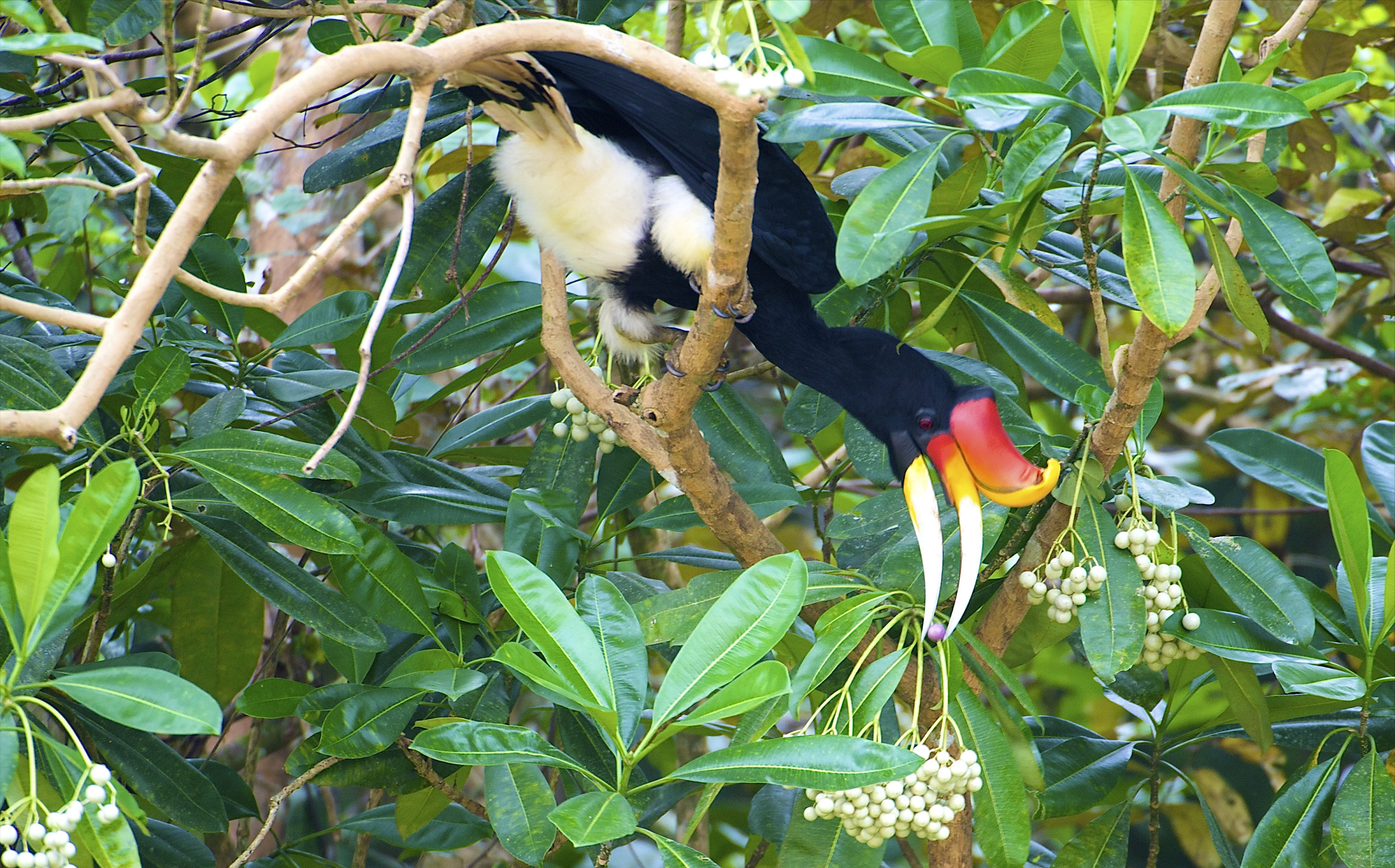
Surveys of leopard cats, flat-headed cats and Sunda pangolins reveal movement patterns, habitat use and disease risks, helping protect lesser-known but vital species.
“By combining science, technology and long-term partnerships, we’re helping secure a future where Borneo’s wildlife and the communities who share these landscapes can thrive together.”
— Professor Benoit Goossens, Director, Danau Girang Field Centre
We are generating new insights into the lives of endangered elephants.
Through our work, it was revealed that Bornean elephants favour the boundaries of protected areas, leaving them exposed to conflict and poaching.
With numbers already reduced by more than half in recent generations, the team turned to innovation. The AI-driven tool, PoachNet, co-developed by our computer science and bioscience researchers, predicts elephant movement and highlights poaching risk zones with exceptional accuracy.
By integrating GPS data and animal behaviour, PoachNet is already enabling earlier, more targeted interventions.

“This work is about more than protecting species today, it’s about building the knowledge, skills and systems needed to safeguard biodiversity for generations to come.”
— Professor Benoit Goossens, Director, Danau Girang Field Centre
We are shaping policy and safeguarding habitats.
Our ecological research across Bornean elephants, Sunda clouded leopards, proboscis monkeys and Bornean banteng has informed Sabah’s official State Action Plans, triggering a government investment of £7 million to restore forests, create wildlife corridors and replant one million trees across 4,000 hectares.
Our long-term tracking and habitat modelling of several species have demonstrated that canopy cover, swamp forest protection and sustainable pasture management are essential for species survival.
This evidence has underpinned major policy changes, including halting a proposed bridge in Sukau (KInabatangan) which would have threatened several wildlife populations.
Beyond flagship mammal programmes, our researchers are conducting comprehensive biodiversity monitoring, surveying frogs, birds and small mammals to understand how ecosystems recover over time.
Research on small carnivores including leopard cats is providing crucial insights into how they navigate plantation-dominated landscapes. And we are working to protect the Sunda pangolin, one of the world’s most trafficked animals, through tracking and camera traps to study their behaviour.

We are helping to tackle poaching by strengthening protection on the ground. Researchers in the field centre helped to design and train the Protect rangers, a dedicated anti-poaching unit within the Sabah Forestry Department.
With 25 highly-trained rangers, new wildlife forensic capabilities and increased enforcement operations, the region’s capacity to combat wildlife crime has been transformed. In 2020 alone, operations led to 70 arrests and served £560,000 in illegally-obtained forest goods.
As development pressures continue to reshape Sabah’s landscape, we are focusing on the impacts of the Pan Borneo Highway on Bornean elephants.
By tracking elephant movements and identifying high-risk areas, we are generating vital evidence to help guide infrastructure decisions and reduce risks to elephant populations.
Through collaboration, innovation and unwavering commitment, we are shaping a more hopeful future for the next generation of Borneo’s wildlife.
Meet the researcher


Find out more about our research
Get our newsletters from Cardiff University's research, innovation, and enterprise leaders.
Discover more Future Generation Thinking stories
We are engineering solutions that future generations will depend on. Because the next generation deserves better.


