

Treating neurodegenerative diseases at their source
Our Advanced Neurotherapies Centre is pioneering gene, RNA and cell therapies for Huntington’s and Parkinson’s – delivering precision treatment into the brain and offering real hope to patients and families.
Huntington’s and Parkinson’s are among the most challenging neurological diseases of our time.
For decades, treatments have focused on managing symptoms rather than altering the course of disease. Today, new gene, RNA, and cell therapies are offering genuine hope, giving patients and gene carriers the possibility of longer, healthier lives.
At Cardiff University, the Advanced Neurotherapies Centre (ANTC) is one of only five centres worldwide – and the only one in the UK – with the expertise, imaging facilities, and surgical capability required to deliver these therapies safely and precisely into the human brain.
Working inside an MRI scanner, our neurosurgeons thread specialised catheters deep into the brain and infuse Advanced Therapy Medicinal Products using convection-enhanced delivery. This millimetre-accurate approach ensures that each therapy reaches the cells it is designed to help.
Shaping next-generation treatment delivery
From Huntington’s to Parkinson’s, we’re pioneering treatments that could transform life for generations of families.
The Advanced Neurotherapies Centre at Cardiff University is the only UK site – and one of just five worldwide – with the expertise, facilities and surgical capability to deliver gene, RNA and cell therapies safely and precisely into the human brain.
Discovery today. Impact for generations.
-

Specialised equipment
We are performing MRI-guided neurosurgery using specialised catheters and convection-enhanced delivery to infuse therapies exactly where they’re needed — ensuring early-phase trials succeed. -

Partners in success
We partner with the NHS and global companies on the design and delivery of first-in-human clinical trials, including landmark gene-therapy surgeries for Huntington’s disease.
We have already played a central role in landmark gene-therapy surgeries for Huntington’s disease.
Our clinicians and researchers were part of a global clinical trial that reported a significant slowing of disease progression – the first time any therapy has demonstrated such an effect. The surgeries performed in Cardiff were the only ones delivered in the UK, reflecting both our surgical capability and the trust placed in our teams by international partners.
Equally critical is the work being done to ensure that first-in-human clinical trials are designed to succeed. Clinicians, researchers and trial specialists in Cardiff work across the full translational pipeline, from developing advanced therapies in the laboratory, to shaping trial design, delivery pathways and outcome measures in the clinic.
By combining surgical insight, imaging expertise and deep understanding of disease biology, our teams help optimise how and where therapies are delivered, how patients are selected, and how early signals of efficacy and safety are detected. This integrated approach is helping to de-risk early-phase trials and accelerate the translation of promising therapies into meaningful patient benefit.

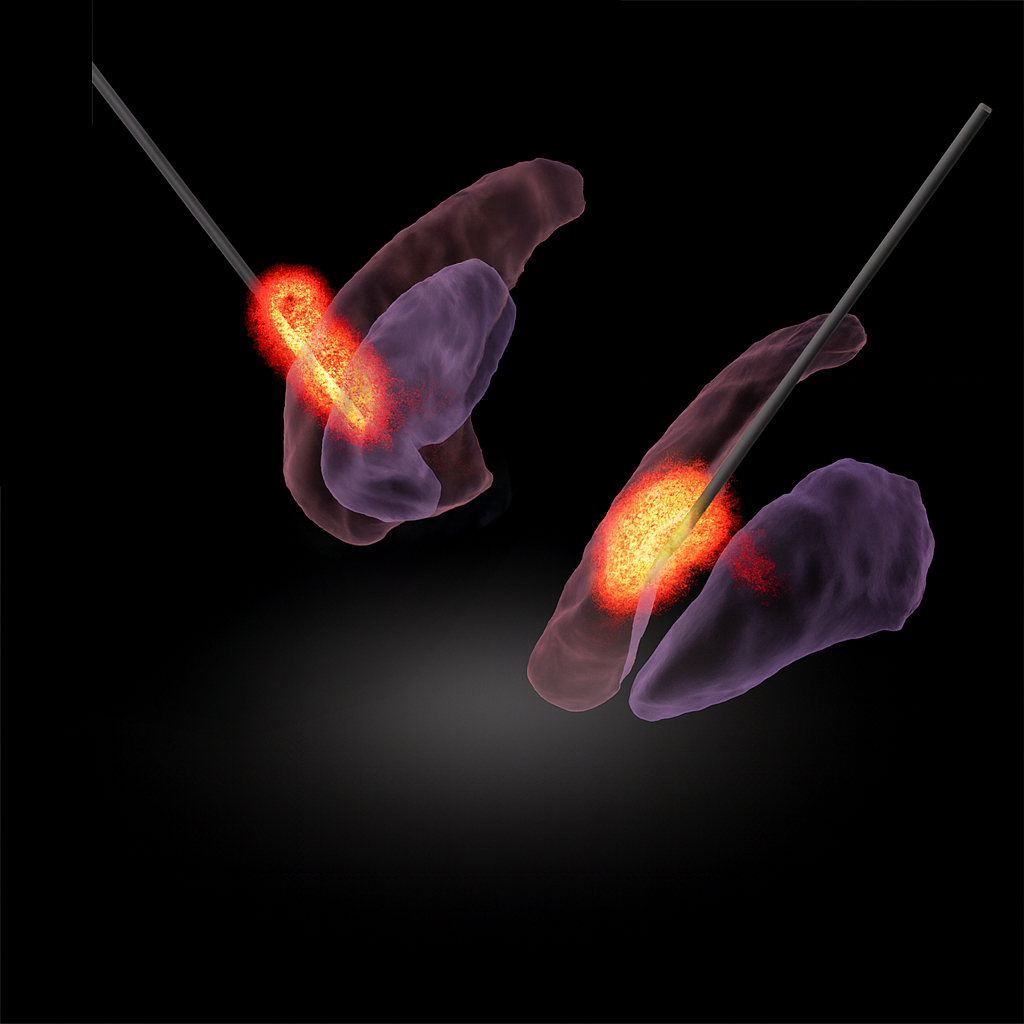
“Cardiff’s Advanced Neurotherapies Centre is performing first-in-human and early phase advanced therapy clinical trials and developing cutting-edge delivery technologies to ensure safe, effective and clinically scalable delivery.”
— Professor William Gray
Alongside this clinical work, researchers across the University are advancing new approaches that could complement or accelerate emerging therapies.
From developing next-generation viral vectors to silence harmful RNA, to refining biomarkers and imaging tools that detect disease change earlier, our science is shaping how the field evolves.
Donor-supported seedcorn funding is helping early-career researchers test ideas that may unlock new therapeutic pathways for Huntington’s, Parkinson’s and other neurodegenerative conditions.
What unites these efforts is a clear ambition: to treat neurological diseases at their source. By combining world-leading neurosurgery, clinical trials, laboratory discovery and partnership with the NHS and industry, we are turning experimental treatments into real options for patients.
Together with patients, families, donors and global collaborators, we are shaping a future where devastating neurodegenerative diseases can be slowed, halted or prevented altogether.

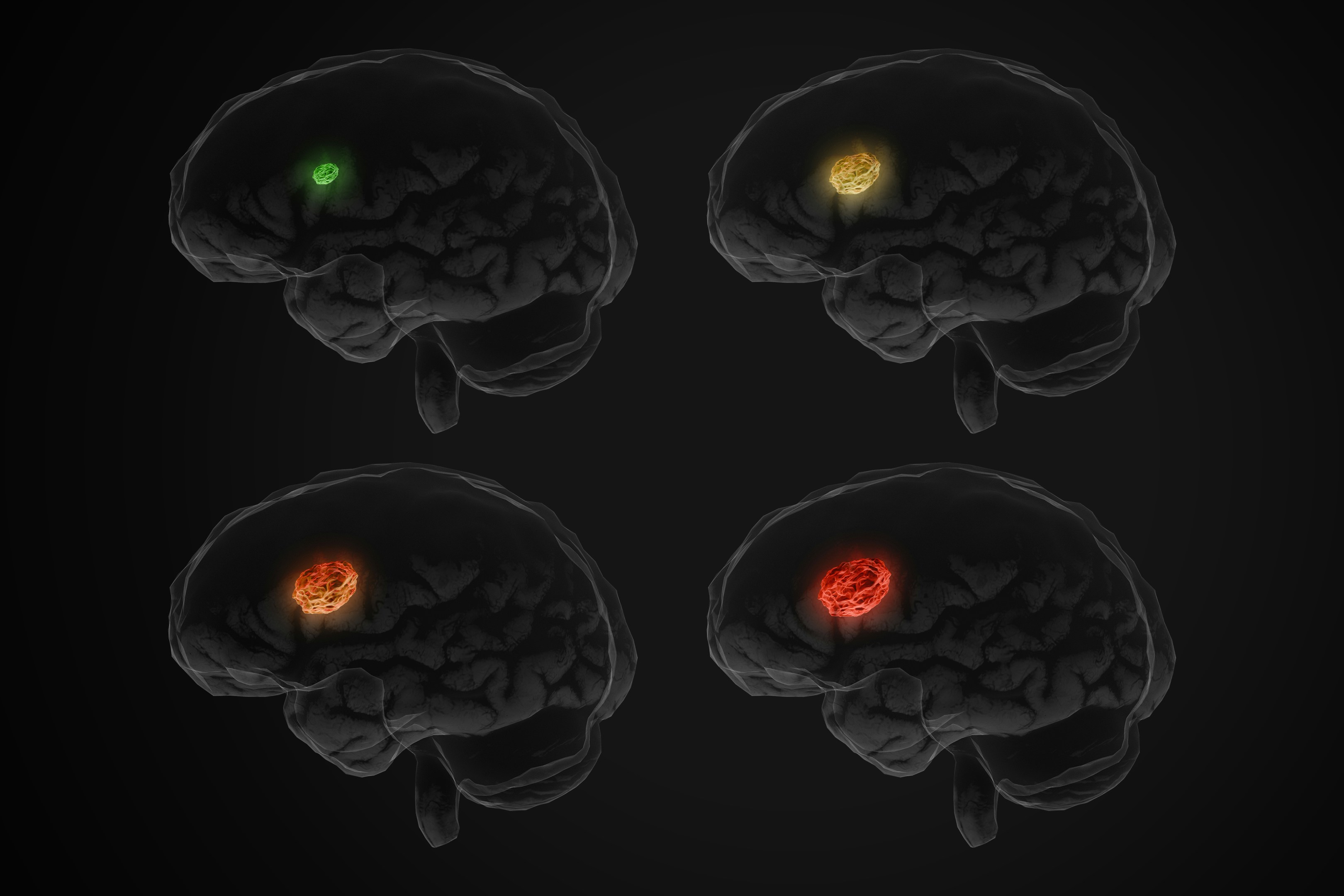
“As the only UK site performing these gene-therapy neurosurgeries, our teams are generating ground-breaking trial results, and converting them into real-world clinical treatments that could transform patients’ lives.”
— Professor William Gray
Meet the team

Professor William Gray
Professor of Functional Neurosurgery, Neuroscience and Mental Health Innovation Institute

Professor Anne Rosser
Professor of Clinical Neuroscience, Division of Psychological Medicine and Clinical Neurosciences

Find out more about our research
Get our newsletters from Cardiff University’s research, innovation, and enterprise leaders.
Discover more Future Generation Thinking stories
We are engineering solutions that future generations will depend on. Because the next generation deserves better.


