
Preventing violence and making our communities safer
Our researchers are transforming how we prevent serious violence by shaping safety in the night-time economy, improving hospital-based interventions, and tackling hidden inequalities that affect who is harmed, and who gets help.
Nights out are a vital part of social life and local economies.
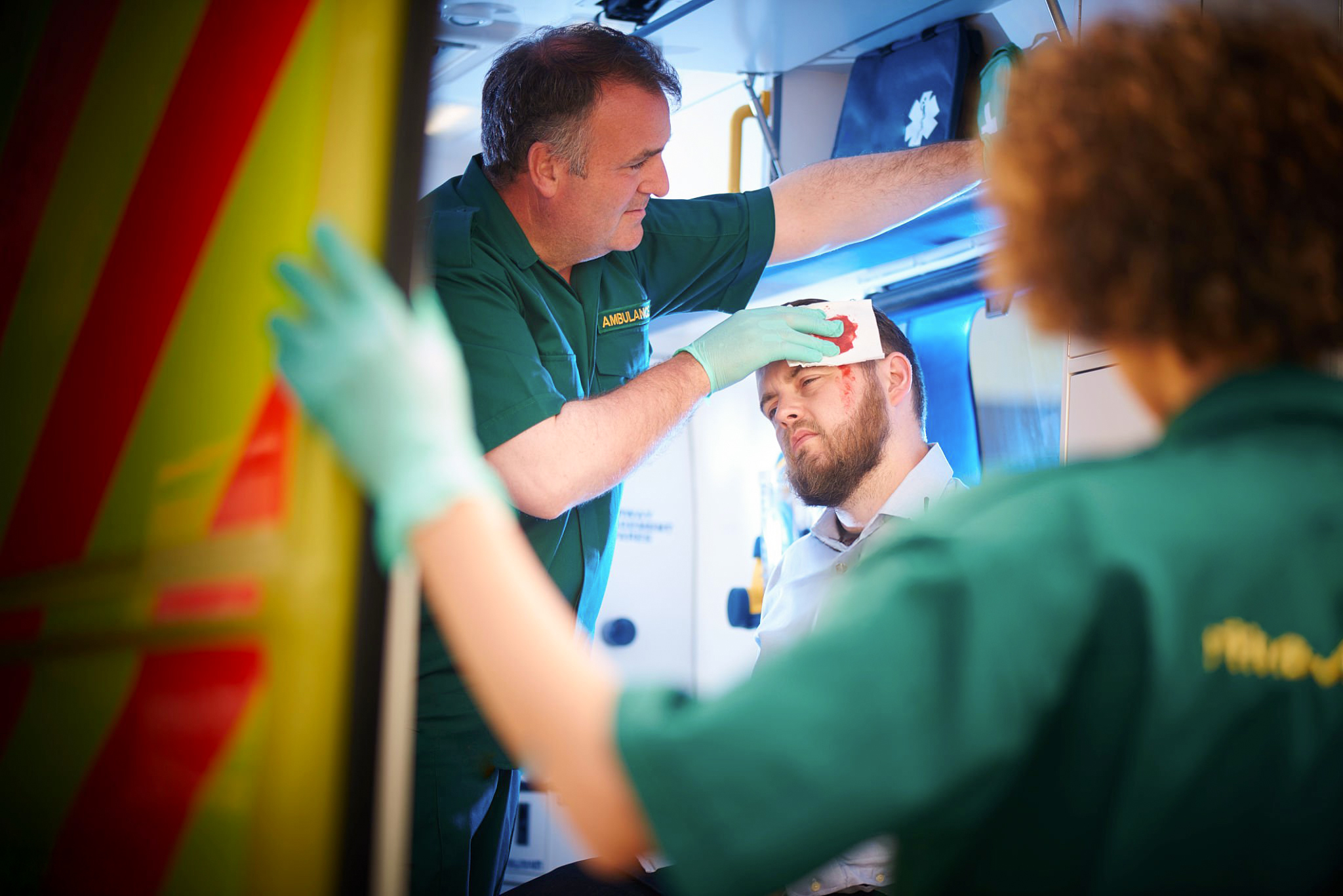
They are also a major source of alcohol-related violence, often resulting in serious facial injuries that require emergency dental and maxillofacial treatment.
From broken teeth and jaw fractures to lifelong health and psychological consequences, these harms place a significant burden on patients, clinicians and the NHS.
Professor Simon Moore and colleagues in the Violence Research Group are building the evidence base that helps cities, police, the NHS and licensed premises make communities safer for everyone.
Working directly with pubs, bars and clubs across Wales and the UK, the team conducted a nationwide randomised controlled trial considering violence prevention.
Researchers identified the environmental and organisational factors that increase the risk of intoxication and disorder.
The resulting interventions, co-produced with venue managers, police and security teams, led to practical training materials and guidance now used throughout the sector, from de-escalation techniques to managing queues, crowds and movement inside venues.
Complementing this, our researchers analysed patterns of footfall, crowding and assault-related hospital attendances to uncover how pedestrian bottlenecks, waiting times and service capacity heighten the likelihood of aggression.
The widely cited study demonstrated how small operational changes, from adding bar staff to improving late-night transport, can significantly reduce tension and prevent violence before it occurs.

“Our research is vital to setting the agenda for research, policy, and decision-making, to prioritise support, prevention and research into the impacts of violence. Evidence-based initiatives, including changes to how nightlife is organised, can dramatically reduce violence, easing the burden on hospitals and preventing life-changing facial and dental injuries.”
— Professor Simon Moore
Beyond nightlife, we led the UK’s first robust evaluation of hospital-based violence intervention programmes.
These teams identify victims in Emergency Departments, assess their needs and connect them to appropriate support.
By linking large datasets – emergency department records, GP data, census information, and routine health data – researchers are generating the strongest evidence to date that such programmes improve health outcomes, reduce repeat harm, and reach people who might not otherwise seek help.
This approach also reveals important inequalities: minority ethnic groups and men in deprived areas are less likely to access support, even when harmed.
We’re improving how bruising is identified across diverse skin tones – closing gaps that affect clinical care, forensic evidence. and access to justice.

Improving safety in the night-time economy
We are strengthening hospital-based interventions, and addressing inequalities that shape who is harmed, and who is heard.
Our work highlights inequalities faced by minority ethnic groups and people in deprived communities.
This drives better identification, stronger safeguarding, and greater equality in the care and support victims receive.
-

Transforming safety after dark
We led one of the first national randomised controlled trials with pubs, bars and clubs – co-designing changes to venue security, communication, and crowd management that reduce violence where it most often occurs. -

Understanding how environments shape harm
Our research shows how crowding, pedestrian bottlenecks and waiting times influence aggression – revealing practical changes that help cities, transport providers and venues keep people safe. -

Identifying drivers of harm
Our researchers are also working to identify the reasons patients are exposed to harm, such as poor mental health, neurodevelopmental conditions, drug and alcohol use.
We are also addressing hidden injuries.
Pioneering research is revealing how bruising on darker skin is often missed, leaving victims feeling disbelieved and undermining the collection of forensic evidence.
By reviewing clinical guidance and testing improved imaging, the team is working to strengthen assessment for all skin tones.
Through clinical insight, interdisciplinary science, and partnerships with those on the frontline, we are redefining how violence is understood and prevented, helping to ensure that future generations inherit safer cities, fairer systems and lives free from avoidable harm.
Meet the team

Professor Simon Moore
Professor of Public Health Research
Co-Director of the Security, Crime and Intelligence Innovation Institute
Director of Violence Research Group

Find out more about our research
Get our newsletters from Cardiff University’s research, innovation, and enterprise leaders.
Discover more Future Generation Thinking stories
Today’s research builds tomorrow’s world. It is our commitment to ensure the next generation inherits something far better.


This is Future Generation Thinking