Skip to content
Skip to navigation menu


Dr Ian Vaughan  -  PhD


My research falls into three general areas, unified by the use of diverse statistical methods – often from outside biology – to answer ecological questions. The major focus is upon river systems, both in their own right and as model systems for the development of ecological theory and methods.

1. Large-scale patterns in riverine biodiversity

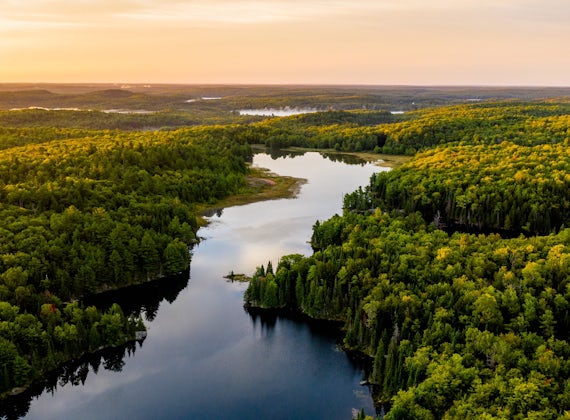
The ecological effects of straightening rivers and increasing flood-water capacity are poorly understood.

The ecological effects of straightening rivers and increasing flood-water capacity are poorly understood.

Biodiversity patterns, and the mechanisms that drive them, have been little studied in river systems (cf. terrestrial environments). This gap in understanding is being exposed by increasing concerns about environmental change (e.g. climatic, water abstraction, flood defence, alien species) and new legislative impetus (e.g. the EU Water Framework Directive).

Even in semi-natural systems, many of the links between the ecology and hydromorphology are unknown.

Even in semi-natural systems, many of the links between the ecology and hydromorphology are unknown.

Using environmental and biological monitoring data from English and Welsh rivers, current research aims to: i) quantify biological patterns in space and time, ii) investigate the role of hydromorphology (river geomorphology and hydrology) and iii) elucidate the effects of combined anthropogenic stressors. Research in this area is necessarily interdisciplinary, encompassing ecology, geomorphology and hydrology, amongst others.

Further research, undertaken by PhD student Jacqueline Platt (NERC funded), is investigating the role of habitat structural complexity in these biodiversity patterns.

2. Species distribution modelling

Species distribution models can help to reveal the habitat preferences of kingfishers and other species.

Species distribution models can help to reveal the habitat preferences of kingfishers and other species.

Models that predict species’ occurrences or abundance based on environmental information are important tools in conservation biology. Globally, thousands of such models have been produced for different organisms, in the hope of estimating population data where resources prevent direct censuses e.g. in remote areas such as the Himalaya or in developing countries. Models may also be used to indicate species’ habitat preferences.

Poorly built models provide conservationists with inaccurate and misleading information. Problems can arise at any point in the modelling process, from the field data used to create the model, through identifying effective predictors of distribution, to testing the finished product. It is unknown what damage may have been done to conservation efforts through the application of poorly-developed models. Work in this area looks at several points in the modelling process, appraising existing methods and developing new ones to improve the reliability of distribution modelling. 


3. Devising novel methods for the analysis of ecological and genetic data

Relatively recent additions to biostatistics, such as data re-sampling, Monte Carlo methods and Bayesian inference, provide tools for tackling a range of challenges in biological data analysis, such as small sample sizes, the novel data types generated by molecular work and spatio-temporal dependence in data.

These developments are illustrated by an ongoing collaboration with Dr Bill Symondson’s group, looking at the feeding preferences of predatory invertebrates (spiders and beetles) in arable fields. Molecular methods are used to reveal predators’ diets, followed by Monte Carlo analyses of molecular and ecological data to detect preferences for different prey taxa.

Grants

Funding for past and current research has come from a range of organisations, including:

  • Research Councils UK
  • Natural Environment Research Council
  • The Environment Agency
  • Scottish Environment Protection Agency
  • NERC/English Nature – UK Population Biology Network
  • Cardiff City Council

Collaborations

Recent or ongoing collaborative projects include:

Dr David Noble, British Trust for Ornithology – understanding the relationships between river bird populations and river environments

Prof. David Sear, Southampton University – bridging the gaps between river ecology and geomorphology

Drs Bill Symondson & Andrew King – modelling dietary preferences of invertebrate predators

Gwent Wildlife Trust – long-term monitoring of breeding and migrant bird populations