Miss Mafalda Silva Pinto Basto

Landscape genetics of stone martens and red foxes in cork-oak fragmented forests in southern Iberia: a tool for carnivore management and conservation

Supervisors:
Professor Mike Bruford, Drª Margarida Santos-Reis, Lisbon University, Portugal

Research Description:
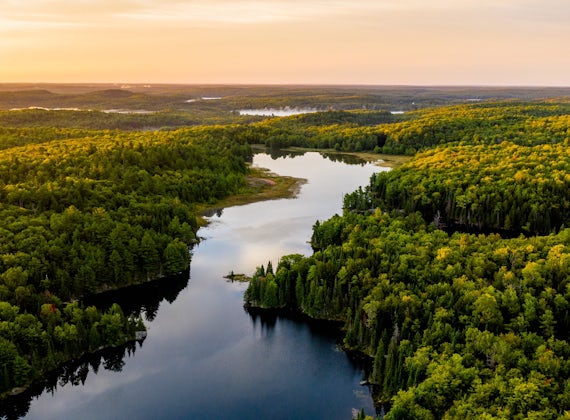
Landscape fragmentation can have dramatic consequences on populations, partly because of the reduction of gene flow, which leads to loss of genetic diversity and sometimes inbreeding. Southern Iberia holds important areas of cork oak forests that have been extensively altered and destroyed by human activities leading to its fragmentation. This situation may have consequences in carnivore communities due their highly susceptibility to changes in the dynamics and structure of landscapes.

Landscape genetics is an emerging scientific field which combines molecular population genetics with landscape ecology and aims to provide information on how landscape and environmental features influence gene flow, population structure and local adaptation.
This PhD intends to apply a landscape genetics approach to understand how fragmentation of cork oak forests in Southern Iberia is affecting two medium-sized carnivores with different ecological strategies, the stone marten and red fox, thus contributing for the management and conservation of carnivore communities.
Objectives:

The specific aims of my PhD thesis are to:
- Characterise the levels of genetic variation/structure within and among populations;
- Determine genetic patterns within and among populations;
- Characterise the landscape structure of Iberian Peninsula;
- Test for correlations between genetic patterns and landscape and environmental features;
- Compare results for both species and analyse them considering their different ecological requirements;
- Contribute to the knowledge of two still common and widely distributed carnivores as a base study for evaluating the potential of landscape genetics as a tool for the management and conservation of the Iberian carnivores community.


The outcome of this work is further expected to provide baseline data to establish guidelines for an effective landscape and wildlife management, minimizing the impact of human activities (e.g. deforestation for agricultural purposes) and for a long-term monitoring programme of carnivore populations.
Collaborations:
Doñana Biological Station (Seville), DGRF – Direcção Geral de Recursos Florestais, Field Researchers and Wildlife Rehabilitation Centres in Portugal and Spain.